

Nursing Home Conversion & Design Requirements in Toronto
Converting a property into a nursing home in Toronto requires more than basic renovation.
It involves structural upgrades, accessibility compliance, and healthcare-focused design to meet long-term care standards.
If you are planning a conversion project, understanding both construction and regulatory requirements is essential.
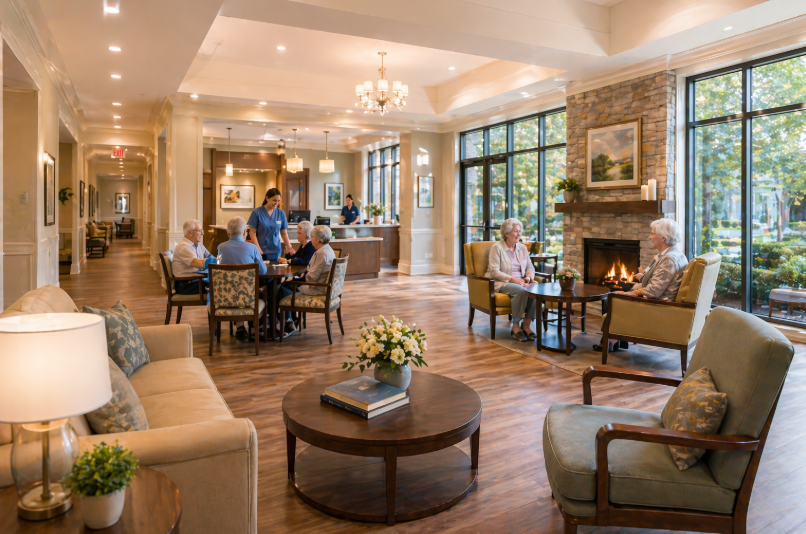
What Is a Nursing Home Conversion?
A nursing home conversion refers to transforming an existing property into a senior care or long-term care facility.
Common conversion types include:
- Single-family homes → senior housing
- Multi-unit buildings → care facilities
- Older buildings → modern nursing homes
These projects require significantly more planning than standard renovation.
Key Design Requirements for Nursing Homes
1. Accessibility (AODA Compliance)
Accessibility is one of the most critical requirements.
- Barrier-free entrances
- Wheelchair-accessible corridors
- Elevators or ramps
- Accessible washrooms
Failing to meet AODA standards can prevent project approval.
2. Safety & Mobility Design
Safety must be integrated into every space:
- Anti-slip flooring
- Continuous handrails
- Wide doorways
- Emergency response systems
Design must reduce fall risks and improve mobility.
3. Healthcare-Oriented Layout
A nursing home is not just a living space — it is a care environment.
- Nurse stations for monitoring
- Medication storage areas
- Clear sightlines for supervision
- Isolation or private care rooms
Efficient layout improves both care quality and operations.
HVAC & Mechanical Systems
HVAC plays a critical role in nursing home environments.
Key considerations:
- Zoned heating and cooling
- Fresh air ventilation (HRV/ERV)
- Temperature stability
- Infection control airflow
Structural & Construction Considerations
Conversion projects often require structural changes:
- Reinforcing floors and walls
- Upgrading plumbing systems
- Electrical capacity expansion
- Fire-rated separations
These upgrades ensure the building meets modern standards.
Legal & Permit Requirements in Toronto
Before starting any nursing home conversion, approvals are required:
- Ontario Building Code (OBC)
- Fire code compliance
- AODA accessibility standards
- Zoning and land use regulations
Working with an experienced Toronto renovation company is essential for navigating approvals.
👉
Toronto Building Permit Guide
Common Challenges in Nursing Home Conversion
Zoning Restrictions
Not all properties are approved for care facilities
Structural Limitations
Older homes may require extensive upgrades
Compliance Complexity
Multiple overlapping regulations
Budget Uncertainty
Scope can expand during inspection and planning
Proper planning reduces these risks significantly.
How to Choose the Right Contractor
Not every contractor can handle nursing home conversion projects.
Look for:
- Experience in multi-unit construction
- Knowledge of healthcare requirements
- HVAC and mechanical expertise
- Familiarity with Toronto permits
👉:
Toronto Nursing Home Renovation Guide
Conclusion
Nursing home conversion in Toronto is a complex but valuable investment.
With the right design, compliance planning, and construction team, a property can be successfully transformed into a safe and functional senior care facility.
Planning a nursing home conversion project in Toronto?
Contact Reno Compass for expert consultation and full-service renovation solutions.
