

Do You Really Understand Your Basement? (Part 1)
Many homeowners start basement renovations without fully understanding how a basement is built.
But the truth is, the structure beneath your home directly impacts issues like water leaks, mold, and long-term durability.
In this guide, we break down the essential components of a basement—starting from the foundation up.
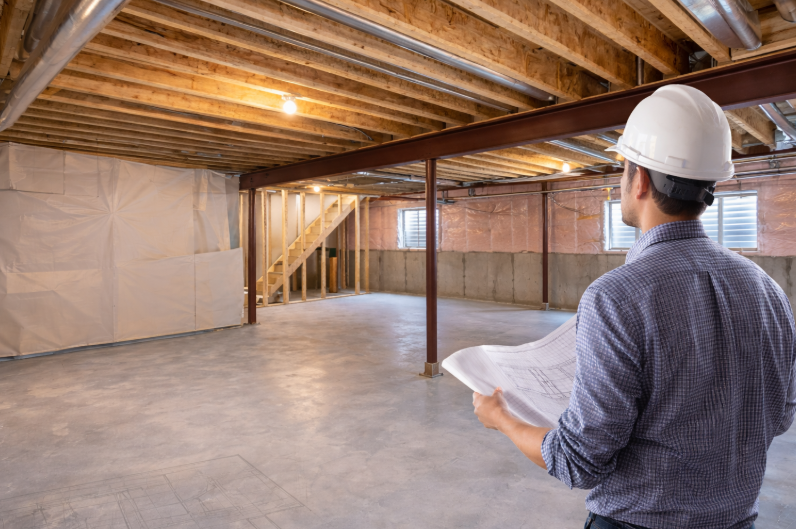
What Makes Up a Basement Structure?
A basement is not just an extra room.
It is a critical part of your home's foundation system.
Key components include:
- Footing
- Foundation walls
- Concrete slab (floor)
- Drainage system
👉 These elements are built during initial construction and are not easily modified later
Why Do Basements Leak?
Basement water issues are usually caused by multiple factors:
1. Poor Grading
- Ground slopes toward the house
- Rainwater flows directly to the foundation
2. Drainage Failure
- Missing or clogged footing drains
- Sump pump not functioning
3. Missing Moisture Protection
- No vapor barrier
- Poor insulation
👉 Even a high-end renovation won’t fix these underlying problems
How Basement Walls Are Built
Basement walls consist of two layers:
1. Structural Wall
- Concrete foundation wall
- Supports the house
2. Framed Wall (Finished Wall)
- Wood studs (2x4) or metal framing
- Built during renovation
👉 Renovation always happens in front of the concrete wall, not replacing it
Why Insulation & Vapor Barrier Matter
Basements are naturally:
- Cooler
- More humid
- Prone to condensation
Standard practice includes:
- Installing insulation between studs
- Adding a vapor barrier (plastic sheet)
👉 Without this, you risk:
- Mold growth
- Poor air quality
- Wall damage
Basement Wall Construction Process (Simplified)
Typical steps:
- Framing (stud walls)
- Insulation installation
- Vapor barrier
- Drywall installation
- Taping & mudding
- Sanding & painting
👉 Each step impacts the final quality
Plumbing & Electrical Basics
Most systems run through ceilings and walls:
Electrical
- Routed through studs or drilled joists
Plumbing
- Hot & cold water lines
- Connected to kitchen, bathrooms, etc.
👉 All work must follow Ontario building codes
Final Thoughts
Basement renovation is not just about design.
You must first understand:
- Structural limitations
- Moisture control
- Drainage systems
👉 Ignoring these can lead to costly problems later
If you’re planning a basement renovation in Toronto:
We can help with:
- Structural assessment
- Waterproofing inspection
- Design + Permit + Construction
📍 Reno Compass – Design & Build Specialists in Toronto
👉 Contact us today for a consultation
- Basement renovation
- Toronto basement renovation process
- Is your basement suitable for finishing?
📞 Contact Us
Phone: 905-597-8566
Website: https://www.renocompass.ca/👉 Reach out today to schedule a consultation and get expert advice for your basement project.
